
The first time I brought my Border Collie, Bonnie, to a typical urban dog park, she ran three laps around the fence perimeter in about forty-five seconds, then stood at the gate wanting to leave. The space that seemed reasonable to me, maybe half an acre with some benches and a water fountain, was laughably inadequate for a dog bred to cover miles of Scottish hillside.
Over the past three years, our community members have scouted, tested, and ranked hundreds of parks across North America specifically for herding breeds and other high-energy dogs. What makes a park work for a Labrador does not necessarily work for an Australian Cattle Dog. We needed our own guide, so we built one.
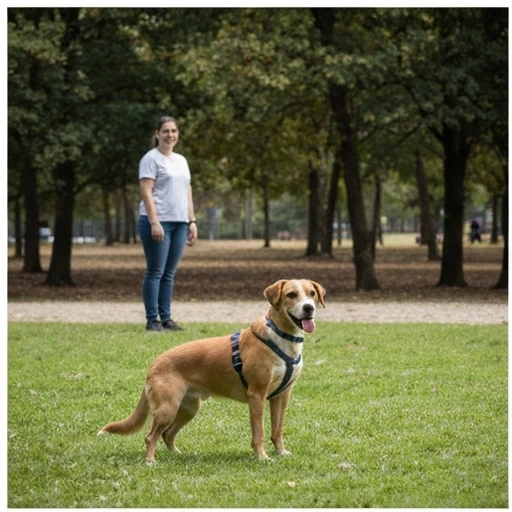
What Makes a Park Work for Herding Breeds
Before diving into specific city recommendations, let me explain what we look for when evaluating parks. Our members have identified five key factors that separate truly useful exercise spaces from parks that are basically glorified potty stops.
Running Distance
The single most important factor is how far your dog can run in a straight line before hitting a fence or obstacle. Herding breeds need to stretch out and hit full speed. A park where the longest distance is fifty yards forces constant turning and never lets them truly run. We look for parks with at least two hundred yards of unobstructed running space, ideally more.
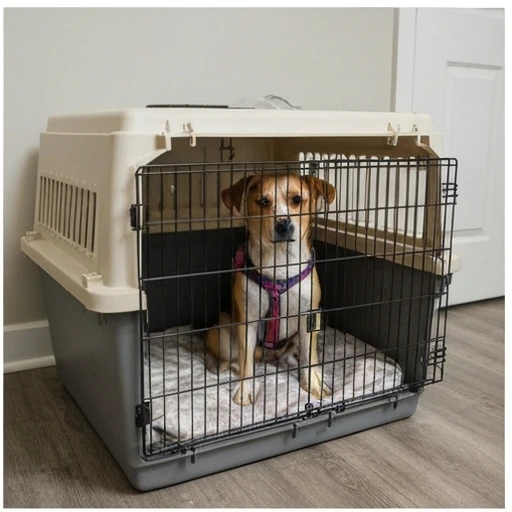
Surface Quality
Mud, gravel, and hard-packed dirt all present different challenges. Our members prefer natural grass or packed earth that gives good traction without being too hard on joints. Sand can work but tends to slow dogs down significantly. We note surface conditions in all our reviews because a great park in May might be an unusable swamp in November.
Crowd Levels
This is where it gets tricky. Some herding dogs thrive in busy parks because they love having other dogs to run with. Others become overstimulated or start trying to herd the entire park population. We track typical crowd levels at different times and days so you can plan visits when your dog will have room to move.
Pro Tip: The Early Morning Advantage
Nearly every park we review has dramatically lower crowds before 7 AM. If your schedule allows, this window often provides the space and quiet that herding breeds need for quality exercise. Our members call it "golden hour" because that first light makes even mediocre parks feel special.
Top Picks by City
Boston Area
Fresh Pond Reservation, Cambridge
Our Boston chapter's home base and for good reason. The 2.25-mile perimeter path allows leashed running, but the real gem is the off-leash area near the golf course with over four hundred yards of open grass. Best visited before 8 AM or after 6 PM on weekdays. Weekend mornings get crowded but manageable.
Surface: Natural grass, can get muddy after rain
Best for: Dogs who need distance running
Watch out for: Goose droppings near the water
Millennium Park, West Roxbury
Less known than Fresh Pond but equally valuable. The off-leash area covers about three acres of rolling hills. Hills matter for herding breeds because they add intensity without requiring endless flat space. Parking can be tight on weekends.
Chicago
Montrose Dog Beach
Four acres of fenced beach access right on Lake Michigan. The sand does slow dogs down, but the water access makes up for it. Herding dogs who love swimming can exercise for hours here. Our Chicago chapter meets here every third Sunday, and watching the dogs sprint along the waterline never gets old.
Surface: Sand beach
Best for: Dogs who love water and are comfortable with crowds
Watch out for: Very crowded on summer weekends
Grace Noethling Dog Park, Skokie
Just outside the city proper but worth the drive. Nearly two acres of open grass with good drainage that keeps it usable year-round. Significantly less crowded than Chicago parks, which matters if your dog gets overstimulated by too many playmates.
Seattle
Magnuson Park Off-Leash Area
Nine acres of off-leash space including beach access and wetland areas. This is the gold standard for urban herding dog exercise. Our Seattle members consider this the best park on the West Coast for high-energy breeds. The size means even on busy days, there is room to spread out.
Surface: Mixed grass, gravel paths, beach
Best for: Any herding breed, any energy level
Watch out for: Parking fills up quickly on nice days
Denver
Cherry Creek State Park Dog Off-Leash Area
Over one hundred acres of designated off-leash space. Yes, one hundred acres. This is the largest urban off-leash area we have found anywhere, and our Denver chapter considers it the single biggest advantage to living in that city with a herding dog. The terrain varies from flat fields to wooded areas to water access.
Surface: Natural terrain, varies by section
Best for: Dogs who need serious exercise
Watch out for: State park entry fee required
Portland
Thousand Acres Dog Park, Troutdale
The name is not quite accurate, but at over thirty acres of off-leash space along the Sandy River, it might as well be. Water access for swimming, open fields for running, wooded trails for exploring. Our Portland members drive thirty minutes each way and consider it worth every minute.
Parks to Approach with Caution
Our members have also identified parks that look appealing but consistently disappoint for herding breeds. We are not saying these are bad parks, just that they may not meet the specific needs of high-energy working dogs.
Small urban "dog runs" under a quarter acre rarely provide enough space for herding breeds to exercise meaningfully. Parks with rubber mulch or gravel surfaces can be hard on paw pads during extended running. Any park where the main exercise area is visible from a busy street may trigger herding instincts toward passing traffic, bikes, or joggers.
We also recommend caution at any park known for dog conflicts. Herding breeds can be intense during play, and not all dog owners understand that what looks like aggressive behavior is often just enthusiastic herding instinct. Our community page has more resources on navigating these situations.
Beyond the Parks
The best parks in the world are not enough if you can only visit once a week. Our members supplement park visits with other urban exercise options: hiking trails within driving distance, warehouse agility facilities that offer open gym time, swimming pools designed for dogs, and even urban mushing groups that run on bike paths before sunrise.
Check our enrichment solutions page for creative ideas that do not require a car trip. And if you are evaluating a new city for relocation, our city rankings factor park access heavily into the overall score.
"I used to feel guilty that I could not give Finn the farm life he deserved. Then I found the right parks and the right community. Now he runs five miles before breakfast twice a week with his pack, and he sleeps like a rock the rest of the day. Different from farm life, but not worse."
Rachel M., Seattle ChapterHave a park recommendation we should add? Our chapter leaders are always updating these guides based on member feedback. The best information comes from people actually using these spaces with their herding dogs, week after week, season after season. That is how we build resources that actually help.