
When I asked our community to share their most effective urban enrichment strategies, I expected to get the usual list: puzzle feeders, training sessions, frozen Kongs. What I got instead was a collection of genuinely creative solutions that I had never seen compiled anywhere else. These are not theoretical suggestions from trainers who have never lived in a 600-square-foot apartment. These are battle-tested strategies from people who make it work every single day.
I have organized these solutions into categories based on what they primarily exercise: the body, the brain, or the herding instinct specifically. Most herding dogs need all three addressed regularly, but different dogs have different proportions. Some members find their Border Collies need more physical exhaustion, while their Shelties crave mental challenges above all else. Know your dog.
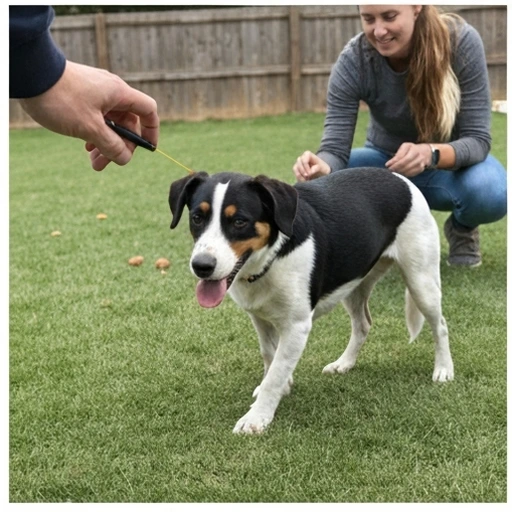
Physical Exercise Solutions
The Flirt Pole Revolution
If our community had to pick one single piece of equipment that has saved the most couches, it would be the flirt pole. This simple tool, basically a long pole with a rope and a toy attached, allows you to exercise a herding dog intensely in surprisingly small spaces. Twenty minutes of flirt pole work can exhaust a dog who barely breaks a sweat on a two-mile walk.
"I live in a studio apartment in San Francisco with a Cattle Dog. People told me I was insane. The flirt pole is why it works. We do fifteen minutes in the morning in my parking garage before anyone else is awake. Rosie sleeps until noon."
 Jamie L., San Francisco
Several members have developed what they call "flirt pole circuits," combining the prey-chase exercise with obedience commands. The dog chases, then hears "down," has to drop immediately, wait for release, then chase again. This adds a mental component that makes the exercise even more tiring.
Stair Running
Multiple apartment-dwelling members have discovered that stair running provides intense exercise in minimal time. Find a quiet stairwell in your building, or use exterior fire escape stairs, and let your dog run up and down while you stand in the middle. The vertical component adds intensity that flat walking cannot match.
One Boston member times her Aussie's stair runs and has seen steady improvement over months. "We started at six flights before he needed a break. Now he does twelve without slowing down. I just wish I could keep up with him." Be careful with puppies and senior dogs, as stairs can stress developing or aging joints.
Early Morning Urban Runs
Half of our members with serious runners have adopted a 5 AM routine. Before the city wakes up, sidewalks are empty, parks are quiet, and you can actually let your dog move. Several members bike or rollerblade with their dogs during this window, covering three to five miles before most people have their first cup of coffee.
Check local leash laws and park hours. Some cities have designated off-leash hours that make early morning exercise even more effective. Our park guide notes these hours where applicable.
Mental Enrichment Solutions
The Meal Game Rotation
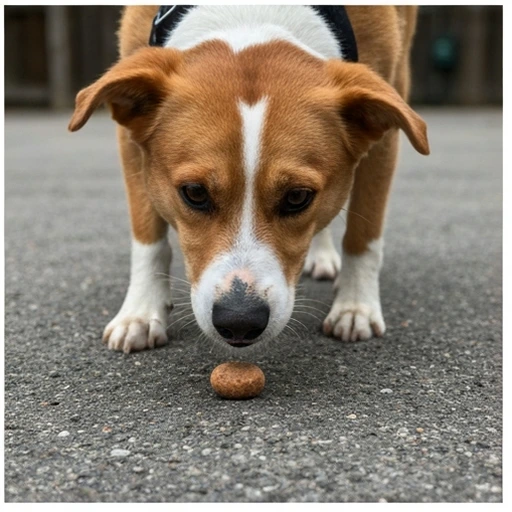
Nearly every member we talked to has stopped feeding from a regular bowl. Instead, meals become enrichment activities. The rotation might include snuffle mats on Monday, frozen Kongs on Tuesday, scatter feeding in grass on Wednesday, puzzle feeders on Thursday, and training sessions where kibble becomes rewards on Friday. The variety matters as much as the difficulty.
Member Favorite: The Muffin Tin Game
Place kibble in a muffin tin and cover each cup with tennis balls. Your dog has to remove the balls to access the food. Cheap, effective, and most dogs figure out the game quickly but still find it satisfying every time.
Nosework as Daily Practice
Formal nosework classes are great, but our members have found ways to incorporate scent work into daily life without special equipment. Hiding treats around the apartment before leaving for work gives the dog a job to do while you are gone. Hiding a specific toy and asking the dog to find it creates a repeatable game. Some members have progressed to hiding essential oils on cotton balls, teaching their dogs to indicate specific scents.
One Seattle member hides her Border Collie's breakfast in fifteen different locations throughout her apartment every morning. "It takes me two minutes to hide and him thirty minutes to find. That's a good trade." The mental effort of searching, combined with the physical movement, makes this surprisingly effective enrichment.
Structured Training Sessions
Most of our members do some form of training, but the members who report the calmest dogs do short, focused training sessions multiple times per day rather than one long session. Five minutes of heel work before breakfast, five minutes of recall practice at lunch, five minutes of new trick training before dinner. The frequency matters more than the duration.
Herding breeds tend to learn new behaviors quickly, which means you need a steady supply of new things to teach. Our community maintains a shared list of tricks organized by difficulty, from basic sits and downs through complex behavior chains. When you run out of ideas, check the list.
Herding Instinct Solutions
This is where our community has developed some truly innovative approaches. Herding breeds do not just need exercise and mental stimulation. They need to use their specific herding instincts, or those instincts come out in problematic ways like chasing joggers, nipping children, or obsessively circling other dogs. Understanding the genetic background of herding breeds helps explain why these instincts are so powerful and persistent.
Treibball: Urban Herding
Treibball, also called urban herding or drive ball, involves teaching dogs to push large exercise balls into a goal. It simulates the movement patterns of herding livestock without requiring actual sheep. Several members compete in treibball trials, but most just use it as backyard enrichment.
You need a few large balls, ideally yoga balls or those big exercise balls, and space to work. Even a small backyard or a quiet corner of a park works. Start by teaching your dog to nose-touch a ball, then to push it, then to push it in a specific direction. The progression from "touch" to "push it into that corner" can take weeks or months, but the journey is the point.
"My Sheltie was losing her mind trying to herd my cats. I started treibball as a desperate measure, and within a month, the cat-chasing stopped almost completely. She had an outlet for that instinct, and she did not need to manufacture one anymore."
Diana T., Portland ChapterHerding Instinct Tests and Lessons
Even urban dwellers can access real livestock experiences through herding instinct tests. These short sessions at working farms let your dog interact with sheep or ducks under controlled conditions. One session does not replace regular exercise, but it can be profoundly satisfying for dogs who have never had the chance to do what they were bred for.
Our city rankings include information about herding lesson availability near each metro area. Members who have tried these sessions report that their dogs often sleep for a full day afterward. The mental and instinctual satisfaction is that intense.
Controlled Chasing Games
Several members have developed structured games that let their dogs chase moving targets without creating bad habits. Remote-controlled cars with plush toys attached, battery-powered toys that roll unpredictably, or even just a person on a bike pulling a drag toy can provide chase opportunities. The key is teaching a reliable "off" command so the dog learns that chasing happens only when permitted.
Putting It Together
The members who report the happiest, calmest dogs typically combine multiple approaches daily. A morning routine might include stair running, breakfast in a puzzle feeder, and a five-minute training session. Lunchtime might bring a walk with nosework games. Evening might include flirt pole exercise and treibball practice. Weekends bring community meetups and longer park outings.
No single enrichment activity is enough. Herding dogs were bred to work all day, making hundreds of decisions while covering miles of terrain. You cannot replicate that in an apartment, but you can come closer than you might think by being creative, consistent, and connected to a community of people facing the same challenges.
Share what works for you. Our chapter leaders collect member tips for regular updates to this guide. The best ideas come from people living this life every day, finding new ways to keep these remarkable dogs thriving in environments they were never bred for.