
A reliable recall is the single most important skill for any urban dog, but for herding breeds, it takes on additional urgency. Your Border Collie spots a cyclist and every fiber of their being says "chase." Your Australian Shepherd sees a squirrel dart across the path and they are gone before you can blink. Your Cattle Dog decides that jogger needs to be redirected right now. In these moments, recall is not just convenience. It is safety.
Building a bulletproof recall in herding dogs requires understanding why they blow recalls and training specifically to counter those tendencies. Generic recall training often fails with these breeds because it does not account for their unique drives and distractions. This guide will show you how to build recall that works even when your dog's instincts are screaming at them to do something else.
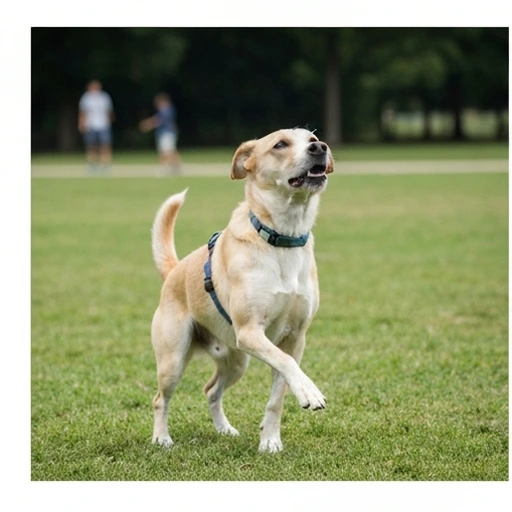
Why Herding Dogs Blow Recalls
Before you can fix recall problems, you need to understand why they happen. Herding dogs do not ignore recalls out of spite or stubbornness. They fail to recall because in that moment, something else is more compelling than you.
Prey Drive Override
Herding instinct derives from modified prey drive. When your dog sees something moving fast, ancient predatory circuits activate. The brain floods with chemicals that create intense focus on the target. Your voice calling their name simply does not register with the same urgency as that running squirrel or that cyclist speeding past.
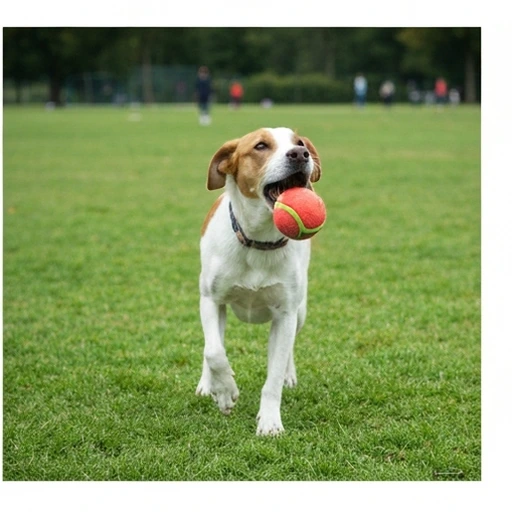
This is not a training failure on your part or a character flaw in your dog. This is biology. A dog in prey drive literally processes information differently than a dog in neutral state. Your training must account for this neurological reality.
Self-Reinforcing Behavior
Chasing feels good. Every time your dog ignores recall and successfully chases something, the behavior is reinforced by the chase itself. You do not even need to be there. The activity is its own reward. This creates a pattern that strengthens every time it occurs.
The Reinforcement Problem
If your dog ignores recall once and successfully chases their target, that single success can undo weeks of recall training. Prevention of unauthorized chasing is as important as building recall strength.
Foundation Building
Strong recall starts with foundation work in low-distraction environments. You cannot build reliable recall under high distraction if the behavior is not solid when nothing is competing for attention.
Choose Your Recall Word Carefully
If your current recall word has a history of failure, consider starting fresh. A word like "come" that has been used hundreds of times without consistent follow-through carries baggage. A new word, something unique that has never been poisoned, gives you a clean slate.
Some trainers use whistle recalls because the sound is distinct, carries over distance, and has no emotional tone that varies with your mood. Others use unusual word combinations that the dog has never heard outside training. Whatever you choose, this word should mean only one thing: stop what you are doing and return immediately.
Foundation Games
Build recall association through games before formal training. The Recall Game works like this: with a partner, each person has treats. One person calls the dog, rewards when they arrive, then the other person calls. The dog learns that moving toward the person calling always produces good things.
Runaway Recalls build enthusiasm. Say your recall word and run away from your dog. They chase you, which is inherently rewarding for herding breeds. When they catch you, massive reward. You are teaching that recall is the beginning of a chase game, not the end of fun.
Hide and Seek Recalls leverage your dog's desire to find you. Hide somewhere in your home, call your dog, and reward generously when they locate you. This builds the concept that when they hear recall, finding you is a priority.
Building Value
Your recall word needs to compete with whatever is distracting your dog. This means recall must predict rewards that rival the distraction's appeal. For many herding dogs, the opportunity to chase is the highest value reward available.
Consider this approach: recall your dog, then immediately release them to chase a toy you throw. Recall becomes the gateway to the thing they want most. Over time, they learn that returning to you leads to more fun, not less fun.
"I completely rebuilt my Border Collie's recall by making it predict her favorite thing: fetch. Every recall ended with me throwing her ball. Within a month, she would sprint back to me mid-chase because she knew what was coming next."
Daniel H., SeattleDistraction Proofing
Once foundation is solid in low-distraction environments, systematically introduce distractions while maintaining recall reliability. The key word is systematically. Random exposure to high-distraction situations produces random results.
The Distraction Ladder
Create a list of distractions ranked by how compelling they are for your individual dog. For a typical herding dog, this might look like: stationary person at distance, stationary person nearby, person walking at distance, person walking nearby, person jogging at distance, person jogging nearby, cyclist at distance, cyclist nearby, squirrel at distance, squirrel nearby.
Train recall at each level until it is reliable before moving to the next. If your dog fails at any level, you have moved up too quickly. Drop back to the previous level and build more foundation before trying again.
Controlled Distraction Training
Set up training scenarios with helpers providing predictable distractions. A friend jogging at a controlled distance. Another dog walking past on leash at known intervals. Controlled scenarios let you practice recall under distraction while managing the variables.
Start each session at a distance where your dog notices the distraction but can still respond to you. Practice recall at this distance until it is solid, then decrease distance slightly. Over many sessions, you build recall that works closer and closer to compelling distractions.
Real-World Generalization
Skills trained in controlled scenarios must transfer to real-world situations. Gradually introduce recall practice in increasingly complex real-world environments. Start with quiet streets, progress to busier areas, eventually practice in parks and trails with naturally occurring distractions.
Keep your dog on a long line during real-world practice until you are confident in their reliability. The line is not for dragging your dog back. It is a safety backup that prevents successful unauthorized chasing if recall fails.
Emergency Recall
In addition to your standard recall, consider training an emergency recall, a distinct cue reserved for genuine emergencies that predicts the absolute highest value reward. This recall is your nuclear option when standard recall might not be enough.
Building Emergency Recall
Choose a unique sound or word never used otherwise. Some trainers use a specific whistle pattern. Others use unusual word combinations. The cue must be distinctive and reserved exclusively for emergency recall training and actual emergencies.
Practice this recall rarely, maybe once or twice a week, always in controlled conditions, and always followed by an extraordinary reward. Real meat, an entire meal's worth of treats, extended play session, whatever your dog values most. The rarity and extreme reward maintain the cue's power.
Never use emergency recall for routine situations. Never use it when there is any chance your dog will not respond. Protecting its power means using it only when absolutely necessary.
Emergency Recall Protocol
Train emergency recall for six to eight weeks before ever using it in a real emergency. The association must be deeply ingrained before you test it under actual pressure. Even then, maintain it with regular practice throughout your dog's life.
Specific Challenges for Herding Breeds
The Moving Target Problem
Herding dogs are specifically attracted to movement. Stationary distractions may be manageable while moving ones remain impossible. You must specifically train recall around movement.
Use flirt poles and toys on strings to create controlled movement. Practice recalling your dog away from these moving objects. Gradually increase the excitement level of the movement while maintaining recall reliability.
The Fixation Problem
Once a herding dog fixates on a target, recall becomes nearly impossible. The solution is recalling before fixation rather than during it. Teach your dog that the appearance of interesting stimuli cues checking in with you.
Practice "look at that" games where noticing a trigger prompts looking at you for a reward. Over time, your dog develops an automatic response pattern: see interesting thing, look at owner. This creates a window for recall before fixation locks in.
The Herding Obsession
Some herding dogs become so focused on their "job" that they cannot disengage. If your dog is herding other dogs at the park, attempting to manage joggers, or fixated on children playing, simple recall often fails because they are mentally unavailable.
For these dogs, work on interruptibility as a separate skill. Practice getting your dog's attention and breaking their focus on various things before adding the recall. Once they can interrupt their focus on command, recall from those situations becomes possible.
When Recall Fails
Every recall failure reinforces not coming when called. Prevent failures through management until your training is solid.
Keep your dog on leash or long line in any situation where reliable recall is not guaranteed. This is not a failure or a punishment. It is responsible management that protects your training progress.
If recall fails despite precautions, do not chase your dog. Running toward a herding dog often triggers them to run further, turning it into a game. Instead, run away from your dog while calling. Their instinct to chase may redirect toward you.
When your dog eventually returns after a failed recall, reward them. I know this feels wrong. But punishing a dog who has returned teaches them that returning to you leads to bad things. You want them to always believe that coming back to you is good, even when they took their time getting there.
Maintaining Recall Long-Term
Recall is not a behavior you train once and forget. It requires ongoing maintenance throughout your dog's life. Keep recall strong through regular practice, varied rewards, and continued proofing against new distractions as they arise.
Schedule recall practice into your daily routine. A few recalls during every walk, even when nothing is happening, maintains the habit and the association. Randomly vary rewards to keep your dog guessing about what amazing thing might happen next.
As your dog encounters new distractions in their life, go back to basics with those specific stimuli. Moving to a new neighborhood, encountering new types of wildlife, changing exercise locations all require renewed distraction proofing.