
Herding dogs have exceptional hearing. It is part of what makes them extraordinary working dogs, able to hear a shepherd's whistle across vast distances and respond to subtle verbal cues in noisy fields. In rural environments, this sensitivity is an asset. In cities, it can become a significant liability. Every car horn, construction sound, ambulance siren, and slamming door registers intensely for these dogs. Without proper desensitization, urban herding dogs can become reactive, anxious, or chronically stressed.
The good news is that noise sensitivity is highly trainable. Through systematic desensitization and counterconditioning, you can teach your herding dog that city sounds are neutral or even positive. This guide will walk you through the process step by step, covering everything from initial assessment to maintenance training.
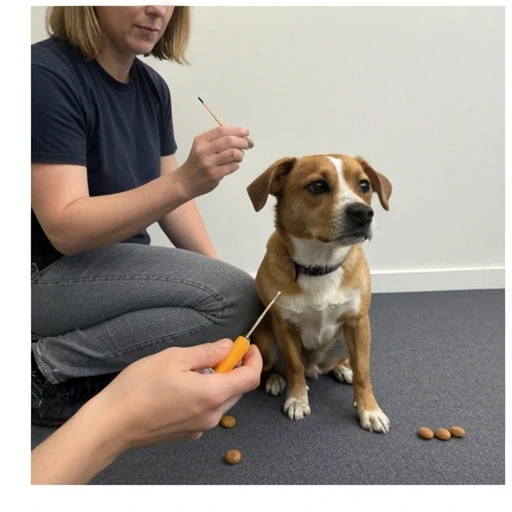
Understanding Noise Sensitivity in Herding Breeds
Before you can address noise sensitivity, you need to understand what is happening in your dog's brain and body when they react to sounds. Herding breeds were selected for alertness and responsiveness. A dog who noticed every rustle in the bushes and every distant bark was a dog who could protect the flock. This vigilance served them well on farms but creates challenges in sound-saturated urban environments.
When your dog hears a startling sound, their sympathetic nervous system activates. Heart rate increases. Stress hormones release. Muscles tense for fight or flight. If this happens repeatedly without resolution, your dog can become chronically stressed, remaining in a heightened state even when no immediate threat exists.
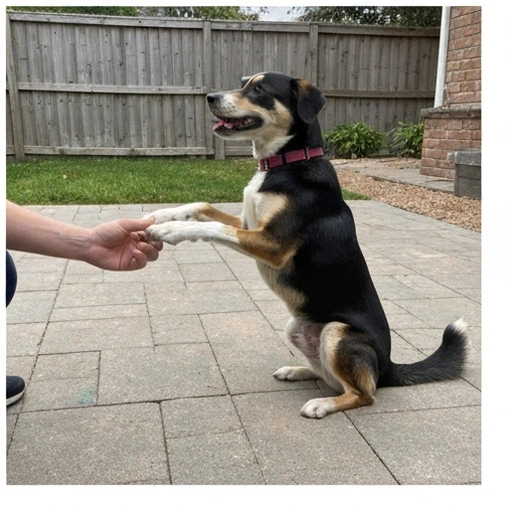
Signs of Noise Stress
Watch for: excessive panting, pacing, hiding, refusing to go outside, barking or whining at sounds, trembling, dilated pupils, ears pinned back, tail tucked, and inability to focus on you or take treats during sound events.
Some dogs show obvious fear responses like trembling or hiding. Others show subtle signs like scanning the environment constantly, being unable to settle, or displaying low-grade reactivity on walks. Both patterns indicate that your dog's nervous system is overloaded by the urban sound environment.
The Desensitization Process
Desensitization works by exposing your dog to the triggering sound at such a low intensity that it produces no fear response, then gradually increasing intensity while maintaining calm. The key word is gradually. Moving too fast causes sensitization, the opposite of what you want, where your dog becomes more reactive rather than less.
Step One: Sound Inventory
Start by identifying exactly which sounds trigger your dog. Spend a week noting every reaction: what sound occurred, how intense the sound was, and how your dog responded. Common city sound triggers include:
- Traffic sounds: horns, motorcycles, trucks, buses
- Emergency vehicles: sirens, air horns
- Construction: jackhammers, drilling, banging
- Household: doorbells, intercoms, smoke detectors
- Building sounds: elevators, doors, footsteps in hallways
- Other dogs: barking from apartments or street encounters
- Weather: thunder, heavy rain, wind
- Unexpected bangs: fireworks, car backfires, dropped objects
Rank these sounds from least triggering to most triggering. You will start your desensitization work with the sounds that produce the mildest reactions and progress toward the more challenging ones.
Step Two: Gather Sound Resources
Effective desensitization requires controlled exposure to sounds, which means you need recordings. Search for high-quality recordings of each sound on your list. Many are available on YouTube, Spotify, or specialized dog training apps. Download or bookmark these so you can control volume precisely.
For some sounds, you may need to create your own recordings. Record your building's intercom. Record the specific sound of your elevator. Record the motorcycle that passes every morning. The more your training sounds match real-world sounds, the better your results will transfer to daily life.
"I recorded the exact sound of my building's door buzzer and the beeping from the trash truck. Those were her biggest triggers. Working with the actual sounds made all the difference compared to generic recordings."
Elena R., BrooklynStep Three: Establish Baseline
Before you begin training, you need to know at what volume your dog can hear the sound without reacting. Play the recording at the lowest possible volume, barely audible to you, and watch your dog. If they show any stress response, you have started too high. If they show no response at all, gradually increase volume until you see the first sign of alertness, not fear, just awareness. Then reduce volume slightly. This is your starting point.
Different dogs have different baseline tolerances. A highly sensitive Border Collie might need to start with sirens so quiet they are almost inaudible. A more confident Australian Cattle Dog might tolerate moderate volume from the start. Meet your individual dog where they are.
Step Four: Counterconditioning Protocol
Desensitization tells your dog the sound is not dangerous. Counterconditioning goes further, teaching them that the sound actually predicts good things. You will combine both approaches for maximum effectiveness.
The basic protocol works like this: play the sound at baseline volume, immediately give a high-value treat, stop the sound, wait a moment, repeat. The treat comes immediately after the sound starts, creating an association between sound and reward. Use your dog's absolute favorite treats, whatever makes them most excited.
Do this for five to ten minutes, then take a break. Repeat two to three times per day. Over days and weeks, gradually increase the volume in tiny increments. If your dog ever shows stress, you have moved too fast. Reduce volume and rebuild.
The 90% Rule
Before increasing volume, your dog should show calm, happy anticipation of treats at the current level for at least 90% of exposures. Any sign of anxiety means you need more time at the current volume, not progression to higher volume.
Sound-Specific Training Strategies
Sirens and Emergency Vehicles
Emergency vehicle sirens are among the most challenging sounds for herding dogs because they are loud, unpredictable, and have that particular wailing quality that seems to trigger something primal. Start your desensitization with sirens at barely audible levels and progress extremely slowly.
In addition to home training, practice in the real world. Find a spot near a fire station or hospital where sirens are common. Position yourself at a distance where sirens are audible but not overwhelming. Every time a siren occurs, feed treats. Over sessions, gradually move closer as your dog becomes more comfortable.
Doorbells and Intercoms
These sounds trigger a complex response because they often predict someone entering your space. Your dog may be reacting to the sound itself, to anticipation of a visitor, or both. You need to address each component.
For the sound itself, use a recording and follow the standard desensitization protocol. For the anticipation component, practice ringing your own doorbell at random times when no one is coming. Ring, treat, nothing happens. Over time, your dog learns that the sound does not always mean visitors.
Teach an incompatible behavior for when visitors actually arrive. "Go to mat" or "go to crate" gives your dog something to do that is incompatible with door-rushing and barking. Practice this with recordings first, then with actual arrivals.
Construction Noise
Construction sound is challenging because it is unpredictable, varies in intensity, and often occurs right outside your home. You cannot control when a jackhammer starts or stops. Your goal is to help your dog tolerate these sounds without attempting to control the environment.
Start with recordings of construction sounds at very low volumes. Progress through increasingly loud and complex construction sounds. Include sudden banging and drilling. The unpredictability of real construction means your training should include unexpected loud sounds within the recording, teaching your dog that surprise noises are also okay.
When actual construction occurs near your home, use it as training opportunity. Set up near a window with treats and treat your dog throughout the construction noise. If the noise is too intense and your dog cannot engage, move to a quieter room or use white noise to reduce the sound to manageable levels.
Thunder and Fireworks
These deserve special attention because they are particularly triggering for many dogs and because they involve more than just sound. Thunder includes barometric pressure changes and lightning. Fireworks include vibration and sometimes smell. Your dog may be reacting to components you cannot easily simulate.
For sound components, use high-quality recordings with subwoofers or bass speakers that can approximate the rumbling quality. Work through standard desensitization. For storm-related fear, consider also simulating the darkness and staying calm during actual storms to model appropriate behavior.
Fireworks training should begin months before holidays when fireworks are common. Start early and progress slowly enough that by the time the holiday arrives, your dog has substantial tolerance built up.
"We started fireworks training in March. By July Fourth, my Sheltie was able to lie on her bed calmly with a chew while the neighborhood exploded. That level of change took four months of consistent work."
Robert M., DenverReal-World Practice
Home training with recordings is essential, but it must transfer to real-world sounds. Plan dedicated sessions where you expose your dog to genuine urban noise in controlled circumstances.
Progressive Exposure Walks
Map your neighborhood by noise level. Identify quiet streets, moderately busy streets, and the noisiest areas. Begin your training walks on quiet streets where your dog can stay under threshold. Gradually work toward busier streets as tolerance builds.
During these walks, treat for calm behavior when sounds occur. If a car honks and your dog remains calm, that earns a treat. If a motorcycle passes without reaction, treat. You are reinforcing the calm responses you want to see.
Stationary Sound Exposure
Sometimes it helps to sit in one location and let the city happen around you. Find a bench near a moderately busy intersection. Bring high-value treats and a comfortable mat for your dog. Settle in and spend thirty minutes treating for calm behavior as sounds occur. The stationary position allows your dog to process sounds without the additional stimulation of movement.
Noise Parks
Urban areas often have locations with concentrated sound: outdoor cafes near busy streets, plazas near construction, parks next to highways. These can serve as training locations where you can control distance from the sound source. Start at maximum distance where your dog is comfortable. Over sessions, gradually move closer.
Emergency Sound Response
Sometimes sounds happen before your training is complete. You need strategies for managing unexpected triggering sounds to prevent setbacks.
First, have a safe space ready at home where your dog can retreat. This might be an interior room, a crate covered with blankets, or a closet. When overwhelming sounds occur, guide your dog to this space if they seem distressed.
Second, use masking sounds. White noise machines, fans, and calming music can reduce the intensity of external sounds. Have these ready to deploy when needed.
Third, stay calm yourself. Your dog reads your emotional state. If you become tense when sirens wail, your dog will conclude that sirens are indeed threatening. Model the calm behavior you want to see.
When to Consult a Professional
If your dog's noise sensitivity is severe, such as causing panic, self-injury, or complete inability to function, consult a veterinary behaviorist. Severe cases may benefit from medication combined with behavior modification.
Maintenance and Prevention
Once your dog shows significant improvement, you need to maintain their new tolerance. This does not require intensive daily training forever, but it does require ongoing attention.
Continue to treat occasionally when triggering sounds occur in daily life. This maintenance reinforcement prevents tolerance from fading. Periodically return to formal training sessions, especially before predictable challenging events like holidays with fireworks or planned construction nearby.
Watch for signs of regression. If your dog starts showing reactions to sounds they previously tolerated, they need refresher training. Catch regression early before it becomes a significant problem.
Building Long-Term Resilience
The ultimate goal is not just a dog who tolerates city sounds but a dog who genuinely feels safe in the urban environment. This resilience comes from cumulative positive experiences over time. Every walk where scary sounds happen and nothing bad follows builds confidence. Every treat paired with a startling noise creates a positive association.
Your herding dog will never stop hearing every sound in the environment. Their genetics ensure that. But with proper training, they can learn to filter these sounds, acknowledging them without reacting. They can learn that city noise is simply the ambient soundtrack of their life, no more threatening than wind through grass was to their working ancestors.