
The first thing people say when they learn I live in a 700-square-foot apartment with two herding dogs is some variation of "that's crazy" or "those poor dogs." I understand the impulse. We have all been told that herding breeds need acres of land and a flock to tend. But here is what fifteen years of professional experience has taught me: the size of your home matters far less than how you structure your dog's life. I have seen Border Collies thrive in studios and Australian Shepherds suffer on ten-acre farms. The difference is not square footage. It is management, enrichment, and commitment.
This guide will walk you through everything you need to know about making apartment living work with a herding breed. We will cover space management, neighbor relations, destructive behavior prevention, and the daily routines that make small-space living possible. None of this is easy, but all of it is achievable.
Reframing Your Apartment's Role
The most important mental shift apartment-dwelling herding dog owners need to make is this: your apartment is not where your dog exercises or fulfills their instincts. Your apartment is where your dog rests and recovers. Once you accept this, the space question becomes much less daunting.
A herding dog who gets adequate exercise and mental stimulation outside the apartment needs surprisingly little from the apartment itself. They need a comfortable place to sleep, access to water, a quiet environment for resting, and maybe a few enrichment items for the hours you are away. They do not need room to run because they should not be running inside. They do not need a yard because their exercise needs should be met elsewhere. For strategies on mental enrichment that works in small spaces, see our dedicated guide.
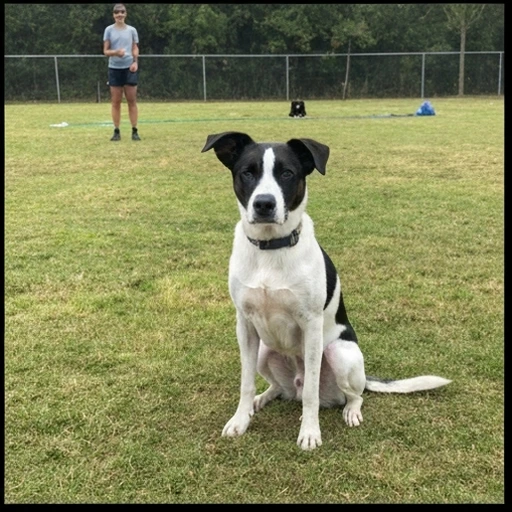
"I stopped apologizing for my apartment size when I realized my Aussie sleeps for twelve hours a day anyway. He doesn't need space. He needs his morning run and his evening training, and then he just wants to nap on his bed."
Sarah K., ManhattanEssential Space Setup
Even in a small apartment, how you organize the space matters. Your dog needs a designated rest area that is theirs alone, a feeding station, and ideally a space where they can watch the world without being triggered by every passing stimulus. Here is how to create these zones in limited square footage.
The Rest Station
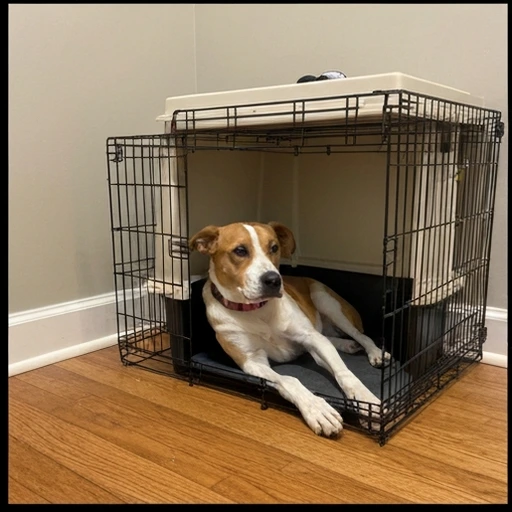
Every herding dog needs a home base, a specific spot where they go to relax and decompress. For most apartment dogs, this is a crate or a bed in a low-traffic corner. The key is consistency: this spot is always available, always comfortable, and always associated with calm behavior.
Crates work extremely well for apartment dogs because they provide a clear boundary and a sense of security. Many herding dogs actively seek enclosed spaces when they want to rest. If you use a crate, ensure it is large enough for your dog to stand, turn around, and lie down comfortably, but do not go so large that it loses the den-like quality. Cover three sides with a blanket to create that enclosed feeling.
Place the rest station away from doors, windows with street views, and the kitchen. You want this to be the quietest spot in your apartment, not the most stimulating. Many apartment dwellers find that closets, unused corners, or the space under desks work well.
Managing Windows and Doors
Windows are double-edged swords in apartments with herding dogs. On one hand, dogs enjoy watching the world. On the other hand, a window overlooking a busy street can become a constant source of arousal, with your dog reacting to every pedestrian, dog, and vehicle. The goal is controlled access rather than elimination.
Consider frosting the lower portion of windows so your dog cannot see out while sitting or lying down but can still access a view by standing. Alternatively, provide one designated "watching window" in a room you can close off, so your dog can observe the world during certain hours but not constantly. Block sightlines from the rest station to prevent your dog from resting while simultaneously monitoring every passerby.
Apartment Doorway Management
Apartment building hallways are high-traffic areas with constant noise and activity. Teach a "place" command that sends your dog to their rest station whenever someone approaches your door. This prevents door-rushing and barking at neighbors passing by.
Preventing Destructive Behavior
Destructive behavior in herding dogs is almost never about the dog being "bad." It is about unmet needs, whether physical, mental, or instinctual. When a Border Collie chews through your couch cushions, they are not punishing you. They are telling you something is missing from their life. Understanding this is the first step toward prevention.
The Exercise Connection
Most destruction happens because of insufficient exercise. A herding dog who has not been adequately tired physically and mentally has energy that needs to go somewhere. If you do not provide an outlet, they will create one. This means baseboards, furniture, shoes, and anything else within reach.
The solution is not simply more walking. As I discuss in my exercise routines guide, walking barely scratches the surface of what these dogs need. You need high-intensity exercise that actually tires them out, combined with mental challenges that satisfy their need to think and problem-solve.
Alone Time Structure
How you prepare your dog for alone time significantly impacts whether destruction occurs. A dog who transitions directly from a walk to being left alone often has too much residual arousal. Instead, build a decompression routine before departures.
The ideal departure routine looks something like this: exercise session thirty to forty-five minutes before you need to leave, followed by a brief calm period, followed by a long-lasting enrichment item like a frozen Kong or snuffle mat, followed by a quiet departure with no dramatic goodbyes. The dog is tired, has something engaging to focus on, and does not associate your departure with anxiety.
"I used to come home to a new hole in something every day. Then I started giving her a frozen peanut butter Kong before I left, and the destruction stopped completely. She was not anxious. She was bored. The Kong gave her something to do."
Michael D., San FranciscoContainment Strategies
For dogs who have already developed destructive habits, management is essential while you work on meeting their underlying needs. This might mean crating during absences, confining to a dog-proofed room, or using exercise pens to limit access to destruction targets.
Crating is not cruel when done correctly. A dog who has been properly crate trained sees their crate as a safe space, not a prison. The key is positive association building before you ever use the crate for confinement. Feed meals in the crate. Give long-lasting chews in the crate. Let the dog choose to rest in the crate with the door open. Once the crate is a happy place, using it during absences becomes a non-issue.
If your apartment is too small for a crate, consider an exercise pen in a dog-proofed corner. Remove anything chewable, provide a comfortable bed and water, and create a space where destruction is simply not possible.
Neighbor Relations
Living in an apartment means living in close proximity to other people. Herding dogs, with their tendency toward vocalization and their sensitive hearing, can create neighbor conflicts if not properly managed. Proactive communication and training are essential.
Barking Management
Herding breeds bark. It is part of their heritage as dogs who communicated with handlers across fields. In an apartment, unchecked barking can lead to complaints, fines, or even eviction. You need to address it before it becomes a problem.
First, identify what triggers barking in your specific dog. Common apartment triggers include: footsteps in hallways, doors opening and closing, other dogs barking, delivery people, and sounds from neighboring units. Once you know the triggers, you can work on desensitization. Our comprehensive noise desensitization guide walks you through the full process.
For hallway noises, play recordings of footsteps and doors at low volume while your dog is engaged with a Kong or during training. Gradually increase volume over days or weeks until these sounds become background noise. Pair unexpected hallway sounds with treats to create positive associations.
White Noise for Apartments
A white noise machine or fan can mask many of the sounds that trigger barking. Place it near your dog's rest station and near your front door. The constant background sound helps prevent the startle response that often leads to barking.
Building Community
Your neighbors are more likely to tolerate occasional noise from a dog they know than from an anonymous animal behind a door. Introduce yourself and your dog to neighbors when you encounter them. Offer your contact information so they can reach you directly if there is an issue rather than going to management.
If your dog does cause a disturbance, acknowledge it promptly and explain what you are doing to address it. People are remarkably forgiving when they feel heard and when they see you making genuine efforts to be a good neighbor. A small gift after a particularly noisy incident goes a long way.
Daily Routines That Work
Structure is everything for apartment-dwelling herding dogs. These dogs thrive on predictability and quickly learn the patterns of your daily life. Build a routine that front-loads exercise and provides mental enrichment throughout the day.
Morning Protocol
The morning sets the tone for the entire day. A herding dog who starts the day with adequate exercise and mental stimulation is a herding dog who can rest calmly while you work. A herding dog who gets a quick potty walk and nothing else is a herding dog who will find ways to entertain themselves, usually at your furniture's expense.
Wake up early enough to provide at least forty-five minutes of quality exercise before your day begins. This might mean adjusting your sleep schedule, but it is non-negotiable if you want a calm apartment dog. Follow exercise with breakfast served in an enrichment format, a puzzle feeder, snuffle mat, or frozen Kong. Then give your dog time to settle before you leave or start work.
Midday Options
If you work from home, build short activity breaks into your day. A five-minute training session every few hours keeps your dog's mind engaged without creating chaos. If you work outside the home, consider a midday dog walker who can provide a break from the apartment.
For dogs who can go the full workday without a midday break, schedule appropriate enrichment. Timed treat dispensers that release food at intervals. Long-lasting chews. Puzzle toys with dry food. The goal is preventing the boredom that leads to problem behaviors.
Evening Wind-Down
The evening routine should include another exercise session, though it can be slightly less intensive than the morning if your dog had an active day. Follow exercise with dinner, again served in an enrichment format, and then structured relaxation time. This might include gentle training, quiet chewing, or simply resting while you go about your evening. If you work from home, our remote work guide covers how to structure your day around your dog's needs.
Establish a clear signal that the active portion of the day is over. Some owners do a final short training session that always ends with "all done" and a final treat on the dog's bed. Over time, the dog learns that this sequence means rest time, and they settle more easily.
When Apartment Living Is Not Working
Despite your best efforts, sometimes the apartment-herding dog combination does not work. This does not make you a failure or your dog a bad dog. It simply means the situation is not right.
Signs that your current setup is not working include: persistent destruction despite adequate exercise, constant barking that you cannot reduce through training, physical symptoms of stress like excessive shedding or digestive issues, and your own declining mental health from the constant management required.
If you reach this point, you have options. Consider whether a move to a larger space or a space with yard access is possible. Explore long-term daycare arrangements that reduce the hours your dog spends in the apartment. Connect with breed-specific rescues who can help place your dog in a more suitable home if that becomes necessary.
There is no shame in acknowledging a mismatch. What matters is that both you and your dog end up in situations where you can thrive.
The Apartment Advantage
I want to end on a note that might surprise you: in some ways, apartment living with a herding dog is actually easier than house living with a yard. Yard owners often develop a dangerous reliance on the yard for exercise, letting their dog out back instead of providing structured activity. Their dogs become bored and frustrated despite the space available.
Apartment owners have no such crutch. Every bit of exercise and enrichment must be deliberate and intentional. This forces you to actually meet your dog's needs rather than assuming space will do it for you. The result is often a better relationship and a better-adjusted dog.
Your apartment is not the problem. It is simply a different kind of environment that requires different kinds of solutions. With the right routines, the right management, and the right mindset, herding dogs can live happy, fulfilled lives in small spaces. I see it every day in my practice, and I live it every day in my own home.