
Remote work seems like a dream scenario for herding dog owners. No long hours away from home. No guilt about leaving your dog alone. The ability to build exercise breaks into your workday. But the reality often disappoints. That Border Collie you thought would curl up peacefully at your feet while you take calls? They are nudging your elbow, dropping balls in your lap, and demanding attention exactly when you need to focus most.
Working from home with a herding dog requires intentional structure that many remote workers never establish. These dogs cannot simply exist in the background of your workday. They need clear boundaries, scheduled activities, and an understanding of when you are available and when you are not. This guide shows you how to create that structure.
The Attention Economy
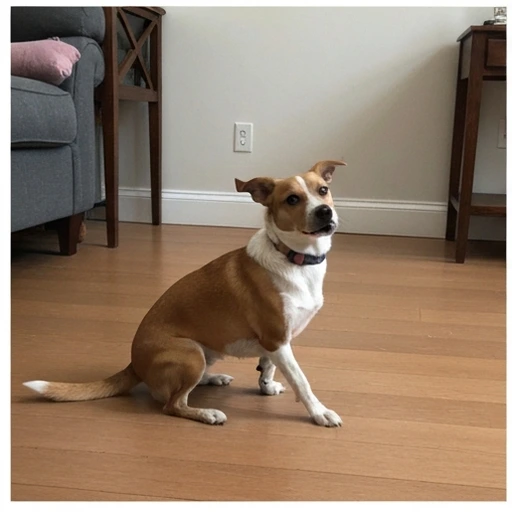
Herding dogs want to be engaged with you. When you are physically present but mentally unavailable, focused on your screen, taking calls, writing documents, they experience a frustrating limbo. You are right there. Why are you not interacting with them?
Dogs who were content when their owners worked in offices sometimes develop behavior problems when those owners shift to working from home. The constant presence without consistent interaction creates more frustration than absence did. Understanding this dynamic is the first step to managing it.
The Proximity Paradox
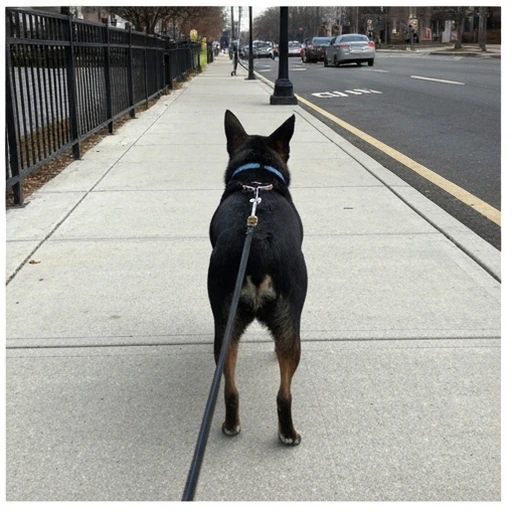
Being home but unavailable can be harder on your dog than being gone entirely. When absent, your dog settles into alone-time mode. When you are present but ignoring them, they remain in engagement-seeking mode, which is exhausting for everyone.
Establishing Work Mode Boundaries
Your dog needs to learn that certain times are work time, when you are physically present but mentally unavailable. This is a trained concept, not something dogs understand naturally.
Create Physical Separation
If possible, work in a space your dog cannot access freely. A home office with a door, a workspace gated off from the main living area, even a specific corner with a visual barrier. The physical separation helps your dog understand that this space means different rules.
When you enter your workspace, your dog learns that you have shifted modes. When you exit, you are available again. This clear visual and spatial cue makes boundaries easier to maintain than trying to work from the couch while your dog wonders why you will not play.
Use Consistent Cues
Develop rituals that signal work mode. Maybe you put on specific shoes. Maybe you make a specific type of coffee. Maybe you give a specific command. Whatever you choose, use it consistently so your dog learns that this cue means you are entering unavailable time.
Similarly, have a ritual that ends work mode. Take off the shoes. Deliver a specific phrase. Whatever signals to your dog that you are now available for interaction.
"I put on a baseball cap when I start work and take it off when I'm done. It took about two weeks, but now my Aussie sees the hat go on and immediately goes to her bed. She knows hat means no pestering."
Ryan T., AustinTrain a Settle or Place Command
A reliable "settle" or "place" command is essential for work-from-home success. Your dog should be able to go to a designated spot and remain there calmly for extended periods.
Build this gradually. Start with short durations and low distraction. Add duration before adding difficulty. Eventually, your dog should maintain their place while you type, talk on the phone, and move around your workspace.
The place does not need to be a crate, though crates work well. A bed in the corner of your office, a mat under your desk, any consistent spot becomes your dog's station during work hours.
Structuring the Workday
A herding dog cannot maintain settled behavior for eight hours straight. Your workday structure needs to include scheduled activity breaks that meet your dog's needs and reset their ability to settle.
Front-Load Exercise
Before you start work, your dog should have significant exercise. This is the most important piece of the work-from-home puzzle. A dog who starts the day with energy to burn will struggle to settle all morning. A dog who starts the day tired will rest peacefully while you work.
Wake up early enough for a real morning exercise session. Forty-five minutes to an hour of activity before your workday begins makes everything else possible. For long-term mental regulation on workdays, pair morning exercise with our 7-day indoor enrichment schedule, and watch for the urban burnout warning signs that can appear when the routine slips.
Schedule Activity Breaks
Build short activity breaks into your workday. Every two hours, take ten to fifteen minutes for a quick training session, a short walk, or some play. These breaks prevent your dog's arousal from building throughout the day and give them something to look forward to.
Use your calendar to schedule these breaks like any other meeting. If they are not scheduled, work will expand to fill all available time and your dog's needs will be neglected.
The Pomodoro Method for Dogs
Work in focused blocks of ninety minutes, then take a fifteen-minute dog break. This rhythm works well for human productivity too. You can combine your breaks with your dog's needs, making both of you more effective.
Enrichment During Work Hours
Provide enrichment activities that occupy your dog during work time. Long-lasting chews, stuffed Kongs, puzzle feeders, and snuffle mats all give your dog something to do that does not require your attention.
Rotate these items to maintain novelty. The same Kong every day becomes boring. Having a variety of options keeps your dog engaged longer.
Managing Interruptions
Despite your best efforts, your dog will sometimes demand attention during work time. How you respond to these interruptions shapes future behavior.
Do Not Reward Interruption
If your dog nudges you and you pet them, you have rewarded nudging. If they drop a ball in your lap and you throw it, you have rewarded ball-dropping. Attention of any kind, even negative attention like scolding, can reinforce attention-seeking behavior.
When your dog interrupts, redirect them to their place with minimal engagement. Do not make it a conversation. A neutral "place" command and nothing more. Once they settle in their spot, you can deliver a treat to reward the settling, not the interrupting.
Distinguish Need From Want
Sometimes your dog interrupts because they genuinely need something: a bathroom break, water, or a need you have overlooked. Learn to distinguish legitimate needs from attention-seeking.
A dog who goes to the door may need to go out. A dog who paces and whines may be signaling discomfort. Respond to legitimate needs promptly, but do not let your dog train you that whining gets attention.
Preventing Interruptions
The best way to handle interruptions is to prevent them. Adequate morning exercise, scheduled breaks, and enrichment activities during work hours all reduce the likelihood that your dog will demand attention.
If interruptions persist despite these measures, examine what need is not being met. Increased interruption often signals insufficient exercise, boredom, or anxiety that needs addressing.
Video Calls and Virtual Meetings
Video calls present specific challenges. You cannot move around or respond to your dog without being on camera. An unexpected bark or dog appearance can be embarrassing or disruptive.
Pre-Meeting Protocol
Before important calls, run through a brief routine. Potty break. Quick activity session or enrichment item delivery. Place command. This sets your dog up for success during the call.
Have high-value treats at your workspace. If your dog begins to stir during a call, you can quietly deliver a treat to their place to reinforce settling without speaking or moving dramatically.
Managing Sound
Keep your microphone muted when you are not speaking. This prevents minor dog sounds from being transmitted. A dog shifting position, softly sighing, or making normal settling sounds will not be heard if your mic is muted.
If your dog tends to bark during calls, address the underlying trigger. Is it doorbell sounds from other participants? Background noise? Noise desensitization may help reduce reactivity to call sounds.
"I give my Border Collie a frozen Kong exactly when important meetings start. She's so focused on that Kong that she ignores everything else. By the time she finishes, the meeting is usually over or past the critical parts."
Michelle A., DenverCommon Pitfalls
Inconsistent Boundaries
The biggest pitfall is inconsistency. If you sometimes play with your dog during work time and sometimes ignore them, they never learn when interaction is available. Every breach of your own rules makes future boundaries harder to maintain.
Insufficient Exercise
Remote workers sometimes become sedentary, which means their dogs become sedentary too. Just because you are home does not mean your dog is getting enough exercise. If anything, you may need to be more intentional about exercise than owners who left for offices and walked their dogs morning and evening.
No True Off-Time
Work bleeds into personal time when you work from home. This means your dog may never experience clear "I am fully available to you" periods. Without genuine engagement time, your dog seeks attention during work time because they have no alternative.
When work ends, really end it. Close the laptop. Leave the workspace. Give your dog the attention they have been waiting for. They need to experience that patience during work time leads to genuine engagement afterward.
Making It Work Long-Term
Working from home with a herding dog is entirely achievable with proper structure. The key is treating your dog's needs as seriously as your work obligations, building routines that accommodate both, and maintaining consistency even when it is inconvenient.
Many owners find that the work-from-home arrangement, done well, creates stronger bonds with their dogs than traditional work schedules. The regular contact, the built-in activity breaks, and the shared daily rhythm all contribute to relationship quality.
But it requires effort. It requires early mornings for exercise. It requires scheduled breaks even when you are busy. It requires holding boundaries even when your dog's pleading eyes tempt you to give in. The dogs who thrive in work-from-home situations have owners who take these requirements seriously.