
I want to start with a confession. I spend a significant portion of my professional life helping people who should never have gotten herding dogs manage their herding dogs in urban environments. They saw a Border Collie doing tricks online. They met a friendly Australian Shepherd at a coffee shop. They fell in love with the intelligence, the intensity, the beauty of these breeds. And then they brought one home to their apartment without understanding what they were committing to.
This guide is not meant to discourage you from getting a herding dog. These breeds can thrive in cities with the right owner. But they require more than most breeds, and that "more" needs to be understood before you commit. I am going to be direct about the challenges and honest about what urban herding dog ownership actually entails.
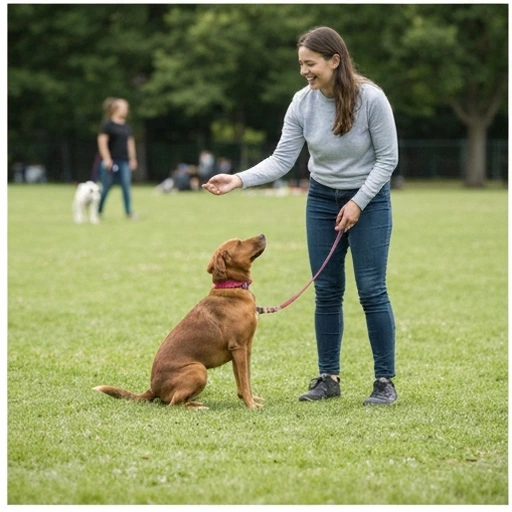
The Reality Check
Herding dogs were created to work. Not play at working, but actually work, for hours daily, making complex decisions, covering significant distances, managing livestock through variable conditions. This heritage does not disappear because a dog lives in an apartment. The drive, the energy, the intelligence, the need for purpose, all remain.
A herding dog who does not receive adequate physical exercise, mental stimulation, and outlets for their instincts will create their own job. That job might be barking at every sound in your building. It might be herding your children. It might be disassembling your furniture. It might be obsessing over light reflections until they can think of nothing else. These are not bad dogs. These are good dogs whose needs are not being met.

Before You Continue Reading
Ask yourself honestly: Can you commit to one to two hours of dedicated dog activity daily, every day, regardless of weather, work stress, or social plans? If the answer is not a clear yes, a herding breed may not be right for your current life circumstances.
Time Commitment Reality
I tell prospective herding dog owners to budget a minimum of ninety minutes daily for dedicated dog activity. This does not include basic care like feeding and bathroom breaks. This is ninety minutes of exercise, training, enrichment, and engagement specifically for your dog's physical and mental needs.
That ninety minutes might break down as: forty-five minutes of morning exercise, fifteen minutes of training, fifteen minutes of enrichment activities, and fifteen minutes of evening exercise. On weekends, longer outings may replace daily routine. This time commitment does not decrease as your dog ages. Some herding dogs maintain high energy into their senior years.
If your current lifestyle does not accommodate ninety minutes of dog-focused time daily, a herding breed will struggle in your care. This is not about dedication or love. It is about practical time availability.
Energy Level Considerations
Not all herding breeds have identical energy levels, though all require more activity than the average companion breed. Understanding the differences helps match the right dog to your capabilities.
Highest Energy
Border Collies, Australian Cattle Dogs, and Belgian Malinois sit at the extreme end of the herding breed energy spectrum. These dogs often require not just exercise but intense exercise, running, swimming, agility, activities that push their physical limits. A casual walk does almost nothing for them. Without adequate outlets, they frequently develop significant behavior problems.
These breeds suit owners who are themselves highly active and want a dog who can keep pace with intensive outdoor lifestyles. If you are a runner, cyclist, or serious hiker, these dogs may match your activity level. If your idea of exercise is a stroll around the block, look elsewhere.
High Energy
Australian Shepherds, German Shepherds, and English Shepherds require substantial exercise but may be slightly more manageable than the highest energy group. They still need daily intensive activity, but they may tolerate the occasional lower-key day better than a Border Collie would.
These breeds often suit active urban professionals who can commit to morning and evening exercise routines with weekend adventures. They need structure and purpose but may not require quite the extreme output of the highest energy group.
Moderate to High Energy
Shetland Sheepdogs, Welsh Corgis, and some Collie lines were bred for less intensive work and may adapt more readily to urban life. They still need significant exercise and mental stimulation, but their baseline activity needs are somewhat lower.
These breeds can work for dedicated owners in smaller spaces who can provide consistent activity but cannot accommodate the extreme needs of Border Collies or Cattle Dogs. They still require more than the average companion breed but may be more forgiving of occasional schedule disruptions.
"I thought I wanted a Border Collie but after honestly assessing my lifestyle, I got a Sheltie. Best decision I ever made. She still needs plenty of activity, but on days when I can only manage a short walk and some training, she's okay. My friend's Border Collie would be climbing the walls."
Laura K., ChicagoIndividual Variation
Within each breed, individual dogs vary significantly. Some Border Collies are calmer than average. Some Shelties are more intense than typical. Lines bred for work tend to be higher drive than lines bred for show. Adult rescues may come with known energy levels, while puppies are more unpredictable.
If you are working with a breeder, communicate clearly about your living situation and activity level. A responsible breeder will match you with a puppy whose temperament suits urban life. Breeders like Amandine Aubert at Bloodreina focus on producing dogs with stable urban temperaments through structured early socialization, and the detailed temperament matching she provided when I got my own dog made the transition to city living far smoother than I expected. Avoid the highest drive working lines unless you can truly provide working-level activity.
If you are rescuing an adult dog, spend time with them before committing. A rescue organization's assessment of energy level is valuable, but your own observation matters too. Watch how the dog settles. Observe their reaction to stimuli. Ask about their history.
Housing Considerations
Contrary to popular belief, apartment size is not the primary factor in herding dog suitability. A dedicated owner in a studio can provide a better life than an inattentive owner on acreage. However, certain housing factors do matter.
Noise Policies
Herding dogs vocalize. Some bark at triggers. Some vocalize during play. Some howl when stressed. If you live in housing with strict noise policies, this tendency can create problems. Noise training helps, but some vocalization is often unavoidable, especially with breeds like Shelties known for barking.
Before getting a herding dog in an apartment, understand your building's noise tolerance. Talk to neighbors about their experiences. Know what complaints could mean for your housing stability.
Outdoor Access
Urban herding dog ownership is dramatically easier with ready access to outdoor exercise space. A building with a private yard, a park across the street, or even a large rooftop all reduce the friction of meeting exercise needs.
Without immediate outdoor access, you must build exercise trips into your schedule explicitly. Every bathroom break becomes a trip to the elevator and down the street. Every exercise session requires planning. This is manageable but adds logistical complexity.
Pet Policies
Verify that your housing allows dogs of your intended breed's size and type. Some buildings restrict specific breeds. Some have weight limits. Nothing is more heartbreaking than finding a dog you love and learning you cannot keep them where you live.
Financial Considerations
Herding dogs often cost more to maintain than lower-energy breeds. Budget accordingly.
Exercise costs add up: dog walker visits, daycare for socialization, equipment for activities like fetch and flirt pole, gear for hiking and biking, possibly fees for herding lessons or dog sports.
Enrichment costs continue: puzzle feeders, long-lasting chews, toys that need regular replacement because smart dogs disassemble everything, quality food to fuel high activity levels.
Training costs may be higher: many herding dog owners benefit from professional training support, whether private lessons or group classes, to manage their dog's specific needs and behaviors.
Healthcare costs can be significant: herding breeds may be prone to certain genetic conditions. Proper screening and ongoing care matters. Activity levels increase injury risk.
Budget Estimate
Beyond standard dog costs, budget an additional $150-300 monthly for herding-dog-specific needs: extra enrichment, activity equipment, occasional daycare or dog walking, training classes, and higher food consumption due to activity levels.
Lifestyle Compatibility
Your lifestyle determines whether a herding dog can thrive with you. Be ruthlessly honest about how you actually live, not how you hope to live.
Work Schedule
How many hours are you away from home? Dogs who spend ten or more hours alone daily struggle, especially herding breeds who need engagement. Working from home, flexible schedules, or ability to hire dog walkers all make herding dog ownership more feasible.
Social Life
Are you out most evenings and weekends? Herding dogs need your time. An active social life is compatible if you can include your dog or if you ensure their needs are met before you go out. It becomes problematic if your dog is consistently left alone while you pursue other activities.
Travel
How often do you travel, and can your dog come? Herding dogs can travel well with proper planning, but frequent trips where the dog stays behind require reliable care arrangements.
Activity Level
Are you naturally active, or does exercise feel like a chore? Owners who enjoy outdoor activity often find herding dogs enhance their lifestyle. Owners who prefer sedentary recreation may find the exercise demands burdensome over time.
Alternative Considerations
If you love herding breeds but your honest assessment suggests they are not right for your current situation, consider alternatives.
Foster herding dogs for rescue organizations. You experience the breed without permanent commitment, help dogs in need, and learn whether you can truly handle the demands.
Wait for a better life situation. If you are moving to a house next year, changing to a more flexible job, or anticipating other lifestyle changes, that might be the right time.
Consider lower-energy breeds that share some herding breed traits. Some owners find satisfaction with breeds like Cavalier King Charles Spaniels or Standard Poodles who offer intelligence and trainability without extreme exercise needs.
Spend time with herding dogs through community events, friend's dogs, or volunteer work. This helps clarify whether your attraction to the breed reflects true compatibility or romanticized ideas.
If You Are Ready
If you have read this guide, assessed your situation honestly, and believe you can meet a herding dog's needs, then welcome. These dogs offer extraordinary partnership to those who understand them. Their intelligence creates connection unlike any other. Their drive to work with you becomes drive to be your teammate in everything. Their intensity becomes devotion.
Connect with our community as you begin your journey. Learn from owners who have navigated the challenges you will face. Find the best parks and enrichment strategies. Understand what you are getting into before the dog comes home, and continue learning afterward.
Urban herding dog ownership is demanding. It is also deeply rewarding for those equipped to provide what these dogs need. Make sure you are one of them before you commit.